By SpectrumCoin
Dec 22, 2025
History doesn’t always change through speeches or laws. Sometimes it changes because someone looked.. and couldn’t look away.
In the 1930s, during the Great Depression, a series of photographs slipped past statistics and policy debates and landed squarely in the American conscience. Dust-covered hands gripping tools. Children staring into uncertain futures. Families surviving drought and displacement with a dignity no spreadsheet could capture. Those images did not explain poverty, they revealed it. And in doing so, they shifted public understanding enough to help reshape the nation’s moral direction.
Autism today exists at a similar crossroads of visibility.
For decades, autism has been explained about, through clinical language, deficit-based narratives, awareness campaigns that flatten complexity into symbols and slogans. What it has lacked is sustained, authentic visibility: not autism as crisis, not autism as tragedy, but autism as lived experience.
Images, when used honestly, can do what explanations cannot.
Seeing Beyond the Frame
To truly understand autism, one must move beyond staged portrayals and curated moments. Authentic representation doesn’t ask autistic people to perform or comply. It observes them as they are: moving through the world, regulating, connecting, withdrawing, celebrating, struggling, resting… living.
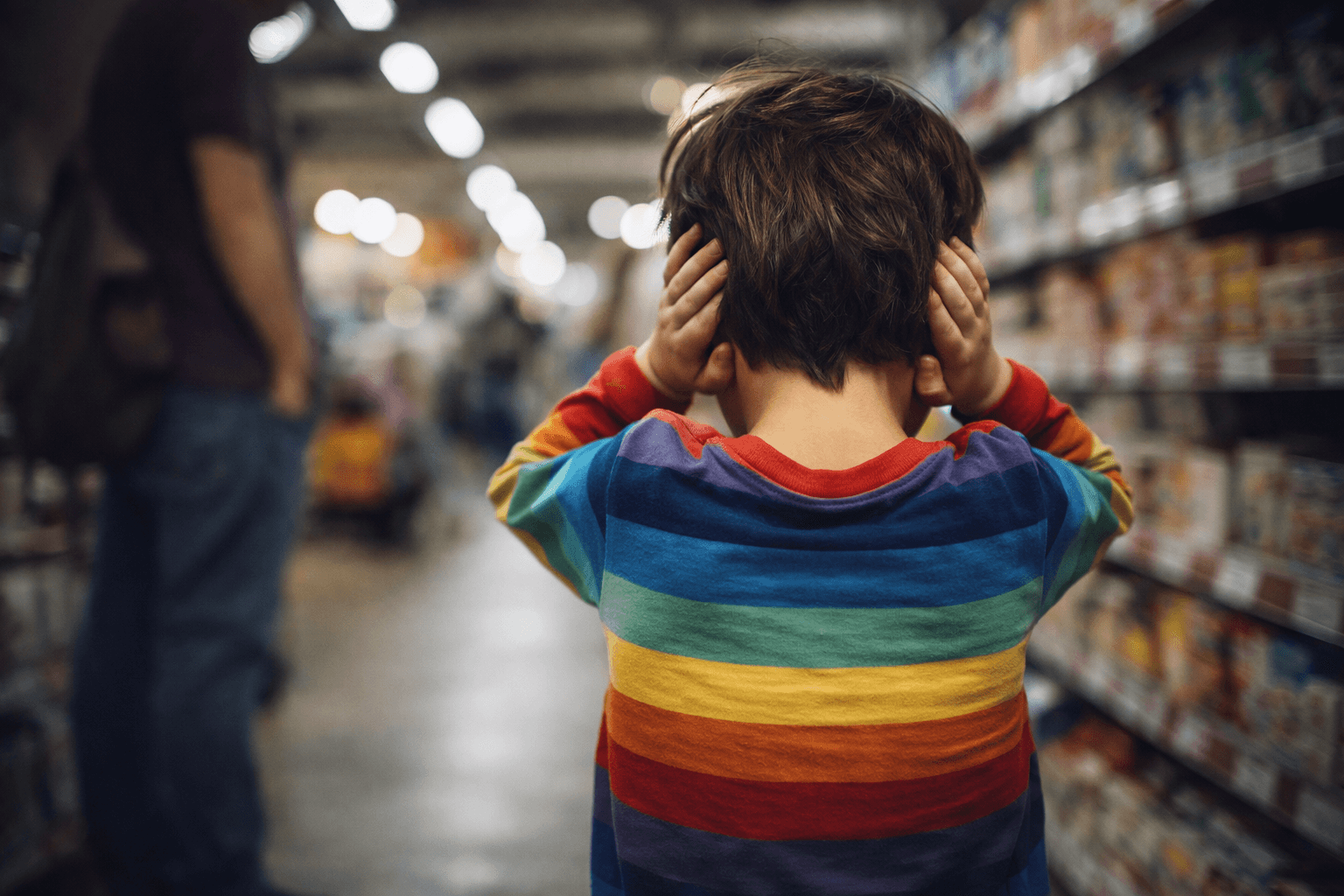
The most powerful images of autism are not dramatic. They are quiet.
A hand covering ears in a grocery store aisle.
A child focused intensely on the repetition of light through a window.
An adult pacing, thinking, self-soothing.
A family adapting — again — without fanfare.
These moments rarely appear in mainstream narratives, yet they are where truth lives.
Why Authenticity Matters
When autism is consistently depicted as either inspirational or catastrophic, the real experience disappears. Families feel unseen. Autistic adults feel erased. Neurotypical viewers are left with caricatures instead of understanding.
Authentic representation does something radical: it removes judgment.
It allows autistic people to exist without apology.
It allows families to recognize themselves.
It allows the public to learn without being instructed.
When images honor sensory needs, emotional rhythms, and natural behaviors — rather than forcing smiles, eye contact, or conformity — they tell a deeper story: autism is not something to be corrected; it is something to be understood.
The Experience Behind the Lens
True representation requires more than technical skill. It requires attunement.
Photographers, creators, and storytellers working within the autism community must understand that regulation matters more than scheduling, comfort more than aesthetics, and consent more than composition. A “perfect” image is meaningless if the process to obtain it causes distress.
Respect shows up in flexibility.
In patience.
In knowing when not to capture the moment.
When creators work with autistic individuals rather than around them, the result isn’t just better art, it’s ethical art.
From Awareness to Understanding
Awareness campaigns have their place, but awareness alone is shallow. Understanding requires proximity.
Images that allow viewers to linger, not on spectacle, but on humanity, create that proximity. Over time, they soften assumptions. They replace fear with familiarity. They transform autism from an abstract concept into a lived reality.
This matters not only for autistic individuals and their families, but for society at large. Communities that understand neurodiversity are more inclusive, more adaptable, and ultimately more human.
Why This Matters to SpectrumCoin
At SpectrumCoin, we believe visibility is a form of currency.
Not the kind traded on markets but the kind that builds belonging.
We are committed to elevating authentic narratives of neurodivergent lives: stories that do not sensationalize, simplify, or sanitize. Stories that honor complexity. Stories that let autistic people be seen as they are, not as symbols, not as lessons, but as full participants in the human story.
Because progress doesn’t always begin with policy. Sometimes it begins with a photograph.
And sometimes, with the courage to truly look.
© Framer Inc. 2023